
Hive Active Heating: The Brutal Truth About Value for Money
Beyond the hype and the “Boost” button. We calculate the real ROI, analyze the hidden costs, and decide if this smart thermostat is actually worth the upgrade in 2026.
Asking “is the Hive thermostat worth it?” is a loaded question. “Worth” is subjective. For a tech enthusiast, being able to change the temperature via Alexa is worth the price of admission alone. For a budget-conscious family, “worth” means: will this gadget save me more money than it costs?
With the current price of energy in the UK, a device that promises savings is enticing. Hive claims you can save up to £110 a year. But smart thermostats aren’t cheap to buy or install. In this deep dive, we move past the glossy marketing and look at the hard numbers, the daily utility, and the long-term value proposition of the Hive Active Heating system. To truly understand the mechanics behind these claims, it’s useful to first grasp how a smart thermostat saves money on a fundamental level.
The Math: Will It Pay For Itself?
Let’s look at the financial argument. The primary reason most people upgrade from a “dumb” dial thermostat to a Hive is to lower bills. But the real question isn’t just “does it save money?” but “does it save enough money to justify the upfront cost and potential subscription fees?” We need to consider that a significant portion of a home’s energy usage is influenced by behavior, not just hardware.
*Based on Hive’s claimed savings for a typical 3-bedroom semi-detached home. Does not include professional installation fees.
The Reality Check: The “1.6 years” figure assumes you are currently inefficient with your heating (e.g., leaving it on all day). If you are already very disciplined with your manual timer, your savings will be lower, extending the payback period to maybe 3 or 4 years. However, Hive makes being disciplined effortless. This is a core tenet of why do smart thermostats really save money is a question answered by behavioral change as much as technology. You can also maximize your savings by checking the latest 2026 smart thermostat rebates available in your area.
The 5-Year Total Cost of Ownership
A break-even calculation is a useful headline, but it only tells half the story. Anyone genuinely trying to work out whether Hive is “worth it” needs to look further than year two, because the costs and savings don’t stop the moment you hit payback. A proper total cost of ownership (TCO) model has to include the purchase price, the installation method, the optional subscription, replacement batteries for the receiver and thermostat, and even the eventual cost of a warranty claim outside the guarantee period. Most marketing material conveniently stops the clock the moment the device pays for itself, which flatters the numbers.
*Assumes £3.99/mo Heating Plus subscription held for the full five years and no battery or receiver replacements. Figures are illustrative and will vary by installer and region.
Against those outlay figures, five years of £110 annual savings gives you a theoretical £550 in reduced energy spend, which means even the most expensive scenario (professional install plus the full subscription for five years) still nets you a small surplus, while the self-install/no-subscription route leaves you roughly £370 better off. The subscription is genuinely the single biggest lever in this model. Paying it every month for five years costs you almost as much as the hardware itself, which is why most owners we’ve surveyed cancel it within the first three months once the novelty of the historical graphs wears off.
What TCO Models Usually Miss
Two costs rarely make it into a TCO spreadsheet: the receiver’s internal battery (a coin cell that typically lasts 2-3 years and costs under £5 to replace) and the very real possibility of a Hub failure outside the two-year warranty. British Gas offers extended cover through Boiler & Home Cover plans, which bundles Hive support with wider central heating protection — worth comparing against a standalone appliance warranty if you’re the type of homeowner who values predictable costs over reacting to failures as they happen.
It’s also worth thinking about the TCO of doing nothing. A neglected, unreplaced mechanical dial thermostat with a worn calibration spring can run 2-3°C “hot,” silently inflating a gas bill for years without anyone noticing. When you frame Hive’s cost against the invisible cost of an inefficient incumbent system, the comparison shifts meaningfully in its favor. If your current setup is a genuinely ancient control, it’s worth first reading how do I know if I need a new thermostat before assuming Hive is the only fix.
3 Reasons Why Hive IS Worth It
1. The “Oh No, I Left It On” Factor
We have all done it. You go to work or on holiday and realize the heating is blasting at 21°C in an empty house. With a dumb thermostat, you are burning money. With Hive, you open the app and turn it off. Saving just 5 days of wasted heating a year pays for a chunk of the device. This remote capability is a cornerstone of the geofencing thermostat concept, although Hive uses a schedule-based approach rather than pure location tracking.
2. The Hot Water Control
This is Hive’s secret weapon against US competitors. Many UK homes have conventional boilers with hot water tanks. Most smart thermostats focus only on heating. Hive allows you to schedule your hot water separately. This prevents you from heating a tank of water when you aren’t there to use it. For a technical breakdown of this feature, see our comprehensive Hive Active Heating review.
3. Ease of Use for Families
Unlike some tech-heavy gadgets that require a degree to operate, Hive has a big physical dial on the wall. This means guests, babysitters, or elderly relatives can turn the heat up or down without needing to download an app or hack your Wi-Fi. It bridges the gap between “smart” and “accessible.” This is a key differentiator when you compare key features when buying a smart thermostat for a multi-generational household.

Hive Thermostat Mini
Looking for a cheaper entry point? The “Mini” offers the same smart features and app control at a lower price point, sacrificing only the premium screen on the device itself.
Check Mini Price3 Reasons Why It Might NOT Be Worth It
1. The “Hive Heating Plus” Upsell
While the core features are free, Hive locks historical data and advanced efficiency trends behind a subscription (£3.99/mo). If you are a data nerd who wants to track every penny without paying extra, this is frustrating. (Note: You do not need the sub to use the thermostat effectively).
2. It Doesn’t “Learn” Automatically
Unlike the Google Nest Learning Thermostat, Hive does not program itself. It relies on you setting a schedule. If you want a device that magically adapts to your life without input, Hive might feel too manual. This is a fundamental difference in philosophy, often discussed in our breakdown of thermostat schedule vs. learning technologies.
3. The Hub Requirement
Hive requires a dedicated Hub plugged into your router. If you are short on ethernet ports or power sockets near your router, this is another piece of plastic clutter. Some newer competitors operate directly via Wi-Fi, which simplifies how smart thermostat connectivity works.
Hidden Factor: Installation Costs
When calculating “worth,” you must include installation. Hive involves wiring a receiver directly into your boiler. This is not a plug-and-play job for most people. Before you even buy one, you should learn how to tell if your thermostat can be upgraded.
- Professional Install: Adds ~£100 to the price. This pushes the ROI back by another year.
- DIY Install: Free, but risky if you aren’t confident with mains electricity. It’s also crucial to understand your thermostat’s compatibility with your furnace before touching any wires.
If you are renting, a portable solution or a system with easier installation like Tado (which guides DIYers brilliantly) might be “worth” more to you. The wiring can be complex, so always consult a thermostat wiring guide if attempting it yourself.
How Installation Actually Works, Step by Step
“Installation costs” only becomes a meaningful number once you understand what’s actually involved, and most buyers underestimate how much of the process is electrical rather than digital. Here’s what a typical install looks like, whether you’re paying a professional or doing it yourself.
Step 1: Isolate and Assess
The installer (or you, if DIY) first isolates power to the boiler and existing heating controls. This is also the point where any incompatibility surfaces — if your wiring doesn’t match a standard S-Plan or Y-Plan layout, or your boiler uses a proprietary control interface, this is where the job either continues smoothly or needs a rethink.
Step 2: Fit the Receiver
The Hive receiver typically replaces or sits alongside your existing programmer, wired into the same terminals that previously ran your dumb timer. This is the step that makes DIY installation genuinely intimidating for a lot of people, since it involves mains voltage wiring rather than simple low-voltage connections. It’s also where a wrongly identified boiler type (see the compatibility section above) causes the most common post-install faults.
Step 3: Mount and Pair the Thermostat
The thermostat dial itself is low-voltage and battery powered, so it can be mounted anywhere with a good Zigbee signal to the Hub — not necessarily where your old wired thermostat used to sit. This is actually an underrated benefit: unlike a hardwired dial, Hive lets you relocate the thermostat to a room that better represents your home’s average temperature, rather than being stuck wherever the original 1980s wiring happened to run.
Step 4: Connect the Hub and Test
The Hub plugs into your router via ethernet and pairs with both the receiver and the thermostat over Zigbee. Once paired, the installer runs a test cycle — firing the boiler on and off from the app — to confirm the whole chain works end to end before calling the job complete. Professional installers typically also run a boiler service check as part of the visit, since they’re already accessing your heating system.
DIY Reality Check
Hive’s DIY installation is genuinely achievable for anyone comfortable working with mains electrics and confident reading a wiring diagram, and the app provides guided, boiler-specific instructions. That said, “confident reading a wiring diagram” is doing a lot of work in that sentence — if your existing setup doesn’t match the standard diagrams in the app (common in older homes with non-standard wiring or a history of DIY modifications by previous owners), the safer route is professional installation, even though it adds roughly £100 to the total cost.
Boiler & System Compatibility: Will Hive Even Work in Your Home?
Before any of the ROI maths matters, Hive has to physically work with what’s already on your wall and in your airing cupboard. This is the step most “is it worth it” articles skip entirely, and it’s the reason a small but consistent number of buyers end up returning their kit. Hive is built around conventional UK wet central heating — a boiler, pipework, and radiators — controlled via a wired or wireless receiver that sits inline with your existing heating circuit.
Combi, System, and Regular Boilers
Hive works with combi boilers (heat-only-on-demand, no tank), system boilers (built-in pump, separate hot water cylinder), and regular/heat-only boilers (separate tank and cylinder, older “Y-Plan” or “S-Plan” wiring). The Heating & Hot Water kit is the one you need if you have a hot water cylinder to manage; the Heating-only kit assumes a combi that produces hot water instantly and therefore has nothing separate to schedule. Getting this kit choice wrong is the single most common install-day frustration reported by buyers.
Electric and Storage Heating
This is where compatibility breaks down for a meaningful slice of UK housing stock. Hive’s core thermostat kit is designed for gas or oil wet central heating, not electric storage heaters, electric boilers, or panel heaters. If your property runs on Economy 7 storage heaters, Hive’s mainstream kit will not control them, and you’ll need a dedicated electric heating control instead. Underfloor heating is a similar story: wet (hydronic) underfloor systems can often be integrated via a wiring centre and additional zone valves, but electric underfloor mats need a specific line-voltage thermostat, not Hive.
Heat Pumps and Hybrid Systems
Hive is not officially designed to modulate a heat pump’s variable output the way a manufacturer-specific heat pump controller can. Heat pumps run most efficiently at low, steady flow temperatures over long periods rather than the on/off cycling a standard room thermostat encourages, so bolting Hive onto an air-source or ground-source system can undercut the very efficiency you bought the heat pump for. If a heat pump is on your radar, it’s worth reading about inverter technology in HVAC before assuming any off-the-shelf smart thermostat will do the job properly.
The safest way to confirm compatibility before you buy is to check your existing wiring centre and boiler manual, or use Hive’s own online compatibility checker, which asks about your boiler type, wiring, and whether you currently have a room thermostat, a programmer, or both.
Which Hive Kit Do You Actually Need?
Part of the “worth it” question is whether you’re buying the right product in the first place. Hive’s range has grown well beyond the original heating dial, and picking the wrong SKU is an easy way to overspend or under-deliver.
- Hive Active Heating (Heating Only): The baseline kit for combi boiler homes. Controls space heating only; no hot water cylinder scheduling because there’s no cylinder to schedule.
- Hive Active Heating & Hot Water: Adds a second receiver channel so you can independently schedule your hot water cylinder alongside your heating — the feature we flagged earlier as Hive’s genuine edge over many US-designed rivals.
- Hive Thermostat Mini: Strips out the physical dial screen in favor of app-only control, at a lower price. Worth it if you rarely touch the wall unit and mainly want remote scheduling.
- Hive Multizone: A separate, more expensive proposition built around smart radiator valves rather than a single wall thermostat, letting you heat individual rooms differently. We cover this in detail in the Multizone section below.
For most single-zone gas central heating households with a hot water tank, the Heating & Hot Water kit represents the best like-for-like “worth it” case, since it’s the version that unlocks the hot water savings this whole analysis leans on. Buying the cheaper heating-only kit when you actually have a cylinder to manage means leaving a meaningful chunk of the £110 annual saving on the table.
Deep Dive: The Psychology of Savings & Energy Behavior
The £110 annual savings figure is not a magic number generated by the hardware; it’s a projection based on how the hardware changes your behavior. A Hive thermostat doesn’t make your boiler more efficient—it doesn’t change the fundamental physics of combustion or heat transfer. Instead, it reduces the runtime of your boiler. This is the critical distinction. A modern condensing boiler is already highly efficient at converting gas to heat, but it’s often running when it doesn’t need to be. This is where the thermostat home/away feature becomes invaluable.
The “Micro-Setback” Phenomenon
One of the most significant, yet invisible, savings mechanisms is the ability to implement micro-setbacks. With a traditional programmer, you might set your heating to be on from 6 AM to 9 AM and 5 PM to 10 PM. But what if you go grocery shopping on Saturday morning? With a manual timer, you’d have to remember to override it before leaving or suffer the cost. With Hive, you can geo-fence or manually trigger an early “away” state. Even turning the heating off 30 minutes early twice a week because you popped out saves a noticeable amount over a British winter. Our analysis of the Hive vs. dumb thermostat real savings shows these small adjustments compound.
Hot Water: The Silent Budget Killer
In a conventional system, the hot water schedule is often set to “on” for a block of time, regardless of demand. Most people shower in the morning. If your water heats up at 5 AM, and you use it at 7 AM, the standing heat loss from the tank for those two hours, plus any additional heating cycles in the afternoon when the house is empty, is pure waste. Hive’s granular hot water scheduling, a feature often paired with an understanding of recommended thermostat settings for winter, can cut your water heating bill by 10-15% annually, a figure often overlooked in head-to-head smart thermostat comparisons that focus solely on space heating.
Data vs. Intuition
Even without the “Heating Plus” subscription, the act of setting a schedule in an app forces you to think critically about your daily routine in 30-minute increments. This “audit effect” often leads people to realize they were heating their homes for an hour or two longer than actually needed. The subsequent adjustment is a manual behavioral change facilitated by the digital interface. For homes with a split HVAC system, zoning becomes even more critical, but Hive’s strength remains in single-zone UK gas central heating.
What is a “Comfort” Routine?
Many people confuse “worth” with “comfort.” A smart thermostat’s value isn’t just about spending less; it’s about spending the same or slightly less while feeling more comfortable. The “Boost” button—a physical, tactile feature on the Hive dial—allows a 1-hour or 2-hour heat increase without messing up the permanent schedule. This stops the “set it to constant to warm up and forget to turn it off” loop that plagues manual thermostats. For sleep optimization, we recommend reading our guide on the ideal room temperature for sleeping.
One often-asked question is about other electrical components in the system. For example, if you’re looking at overall HVAC costs, you might wonder how much electricity does the fan on the thermostat use. While a smart thermostat itself is low-voltage, the systems it controls are the real consumers of power. The Hive helps manage these larger loads more effectively.
The Ecosystem Lock-In Factor
One of the most underestimated aspects of a “worth” analysis is the ecosystem lock-in. Hive is not just a thermostat; it’s a hub for lights, sensors, and plugs from the same brand. If you start with the thermostat, the marginal cost of adding a Hive motion sensor or a smart plug feels lower because you already have the app and the Hub. This can be a positive or a negative.
On the positive side, integrated routines—like having your lights turn off and heating turn down when you arm your Hive security system in “away” mode—increase overall savings and safety. On the negative side, it makes it psychologically harder to switch to a superior thermostat from Nest or Tado later because you’d be breaking the ecosystem. This is a classic tech strategy, and British Gas leverages it well. If you are considering a more advanced HVAC setup, such as a heat pump, you might want to look at the best thermostats for Bosch heat pumps to see if Hive is compatible with your future plans.
The Hub is the Moat
That plastic box connected to your router is Hive’s competitive moat. It uses Zigbee, a low-power mesh network, to communicate with the thermostat and sensors. This is actually more reliable than Wi-Fi for battery-powered devices. However, it means you’re building a proprietary Zigbee network. If you later decide to switch to Amazon Echo Plus or a generic Zigbee stick for Home Assistant, the Hive devices are notoriously hard to pair to third-party hubs. You are not just buying a thermostat; you are buying permanent residency in the Hive ecosystem. For those looking for a simpler, battery-powered solution to avoid complex wiring, checking out the benefits of a battery-powered smart thermostat might be a better route.
Multizone & Radiator Valves: Is the Upgrade Worth It?
A single wall thermostat, wherever it’s mounted, only ever measures the temperature of the room it’s sitting in. If your hallway thermostat reads 20°C, Hive assumes your whole house is 20°C, even if the back bedroom is 16°C and the loft conversion is a sauna. This is the single biggest limitation of any single-zone smart thermostat, Hive included, and it’s the gap that Hive Multizone and smart radiator valves are built to close.
How Multizone Changes the Value Equation
Hive Multizone works by fitting smart TRV (thermostatic radiator valve) heads to individual radiators, each capable of being scheduled and monitored independently through the same app as your main thermostat. Instead of heating an entire house to the temperature required by the room you spend the most time in, you can drop bedrooms to 16°C overnight while keeping a home office at 20°C during the day. Multizone is a genuinely different value proposition to the base Hive kit: it costs considerably more per radiator, but the savings compound in larger, multi-story homes where occupancy patterns vary a lot by room.
Where Zoning Pays and Where It Doesn’t
In a small flat or a home where every room is used roughly the same amount, the marginal cost of Multizone rarely earns its keep — the base Hive kit’s whole-home scheduling already captures most of the available savings. In a larger detached or semi-detached house with spare rooms, a converted loft, or a home office that’s only occupied on weekdays, zoning can meaningfully outperform a single-thermostat setup, because you stop paying to heat empty rooms to the same standard as occupied ones. This is the exact trade-off we cover in our Hive vs Tado comparison, since Tado’s own radiator valve range competes directly with Hive Multizone on price and granularity.
One practical caveat: radiator valves control heat output at the radiator, not airflow, so a poorly insulated room will still lose heat quickly even with a smart valve fitted. Zoning amplifies the savings from good insulation; it doesn’t replace it.
The Hive App: Features Most Owners Never Touch
Most reviews of Hive stop at “you can turn the heating on from your phone,” which undersells the app considerably. A meaningful chunk of the device’s real-world value comes from features that never make it into the marketing copy, because they require a bit of setup effort to unlock.
Geolocation and Actions
Hive’s app can use your phone’s location to trigger simple automations — for example, dropping the heating to a lower “away” setting when the last household member’s phone leaves a defined radius, and bringing it back up as someone approaches home. This is less aggressive than Tado’s dedicated geofencing, but it closes a meaningful part of the gap for households willing to dig into the settings menu. Combined with “Actions” (Hive’s simplified automation rules, such as “if the front door sensor opens after 10pm, turn on the hallway light”), the app becomes considerably more capable than the dial on the wall suggests.
Weather Compensation and Frost Protection
Hive factors outdoor temperature data into some of its scheduling logic, nudging the heating on slightly earlier on a genuinely cold morning versus a mild one, so the house reaches target temperature at the time you actually want it, not a fixed number of minutes before. A built-in frost protection setting also keeps the heating firing on a minimum cycle even while you’re away and the rest of the schedule is off, protecting pipework during a cold snap without heating the whole house unnecessarily.
Multiple Homes and Guest Access
The app supports linking more than one property to a single account, which is useful for landlords managing several rentals or people who split time between two homes, and you can grant limited guest access to family members or house-sitters without handing over full account control. None of these features move the ROI needle on their own, but together they’re a meaningful part of why many long-term owners describe day-to-day life with Hive as “worth it” independent of the pounds-and-pence savings case.
Voice Control and Smart Home Integration
For a lot of buyers, “is Hive worth it” is really a question about how well it fits into a smart home they’ve already started building around a voice assistant. Hive integrates natively with Amazon Alexa and Google Assistant, letting you ask for a temperature change or check the current reading without opening the app. Support for Apple’s ecosystem is less direct: Hive doesn’t offer native Apple HomeKit certification, so Siri control and the Apple Home app require a third-party bridge such as Homebridge, which is a meaningfully bigger technical lift than the plug-and-play Alexa or Google experience.
IFTTT and Automation Depth
Beyond the big two assistants, Hive supports IFTTT (If This Then That), which opens the door to more creative automations — turning heating down automatically when a smart lock is engaged, or logging temperature data to a spreadsheet for your own tracking without paying for Heating Plus. This is a reasonable workaround for the data-nerd downside we raised earlier, though it takes more setup than most casual buyers will bother with.
Zigbee, Third-Party Hubs, and Home Assistant
As covered in the ecosystem lock-in section above, Hive’s Zigbee network is largely closed to third-party hardware. Enthusiasts running Home Assistant or a generic Zigbee2MQTT setup often report that Hive devices are difficult or impossible to pair outside the official Hive Hub, which is worth knowing if you’re the type of buyer who likes to eventually consolidate every smart device onto one open platform. If open ecosystem compatibility is a priority for you, it’s worth comparing against rivals in our Nest vs Hive vs Tado breakdown before committing.
Does Hive Work Without Wi-Fi, and What Happens in a Power Cut?
A legitimate concern with any internet-connected thermostat is what happens when the internet — or the power — goes away. Hive is designed with this in mind, and the answer is more reassuring than most buyers expect.
Wi-Fi Outages
If your home broadband drops out, the Hive receiver and thermostat continue to run the last schedule that was successfully synced, communicating locally over Zigbee between the Hub, receiver, and thermostat dial. You lose the ability to control the system remotely from your phone until the connection returns, but the heating itself keeps running on schedule rather than defaulting to fully off or fully on. This local-first fallback is a meaningful reliability advantage over some budget smart thermostats that require a live cloud connection just to maintain basic scheduling.
Power Cuts
A power cut affects the Hub (which needs mains power and a router) and potentially the boiler itself, but the thermostat dial has its own battery backup that retains its settings. Once power is restored, the system resyncs automatically; you shouldn’t need to reconfigure your schedule from scratch after a typical short outage. For genuinely extended outages, most modern boilers won’t fire regardless of what the thermostat says, since the boiler’s own electronics also need mains power — a limitation that applies to every smart or dumb thermostat equally, not something specific to Hive.
If offline resilience is a priority for your household, it’s worth reading more broadly about how smart thermostat connectivity works so you understand exactly which parts of any given system depend on the cloud versus running locally.
Reliability, Common Faults, and What Owners Actually Say
Marketing pages rarely mention failure rates, but a genuine “worth it” analysis has to account for the fact that hardware sometimes goes wrong. Across owner forums and review platforms, the complaints about Hive cluster around a fairly small, predictable set of issues rather than being scattered randomly, which is itself useful information.
The Most Commonly Reported Issues
- Receiver relay clicking without firing the boiler: usually a wiring or compatibility issue from install day rather than a hardware fault, and often traceable to the wrong kit (heating-only vs heating & hot water) being fitted.
- Hub losing connection after a router change: re-pairing is usually straightforward but catches out less tech-confident users, particularly after an ISP swaps out a router.
- App notification delays: occasionally reported during peak usage periods, generally resolved by an app update rather than anything the user needs to fix.
- Thermostat dial battery drain: a small subset of users report needing to replace the dial’s batteries more often than the advertised lifespan, particularly in homes with a weak Zigbee signal between the Hub and the thermostat.
Warranty and Support
Hive kits typically ship with a standard manufacturer warranty covering manufacturing defects, and British Gas customers can extend protection through a home cover plan that bundles Hive support with wider boiler and central heating cover. Independent of Hive specifically, it’s worth understanding the general troubleshooting landscape — our guides on why a thermostat is clicking but not turning on and a thermostat not reaching set temperature cover fault patterns that apply across most smart and dumb thermostats alike, not just Hive.
The Environmental Case: Is Hive Worth It Beyond Your Wallet?
Most “is it worth it” arguments focus entirely on pounds and pence, but for a growing number of buyers, the environmental case matters just as much as the financial one. Reducing unnecessary boiler runtime doesn’t just lower your bill — it reduces the amount of gas burned, and therefore the carbon emitted, over a year of heating a typical UK home.
The mechanism is the same one driving the financial savings: cutting out wasted heating cycles when nobody’s home, avoiding overheating an empty house, and trimming standing losses from an unscheduled hot water tank. None of this requires a subscription or advanced automation — the baseline scheduling behavior is what does the environmental work. For households who’ve already improved insulation and are looking at the next lever to pull, pairing a smart thermostat with the practices covered in our HVAC energy efficiency tips guide tends to produce a bigger combined reduction than either change alone.
It’s worth being realistic about scale: a smart thermostat trims runtime at the margins rather than transforming a fundamentally inefficient heating system. If your boiler is old, oversized, or poorly maintained, the environmental gains from Hive will be real but modest compared to boiler replacement or better insulation. Hive is a genuinely useful tool in that broader toolkit, not a substitute for it.
Context: Is There Better Value Elsewhere?
Value is relative. Before you buy Hive, consider the competitive landscape. The smart thermostat market in 2026 is saturated. You need to know if Hive’s specific features align with your home’s infrastructure. For a pure cost comparison, start with our Hive vs. Tado breakdown.
- Tado: Often cheaper upfront and offers better multi-room control via radiator valves, potentially saving more money long-term. Tado’s geofencing is more aggressive, dropping your house to a low “away” temperature automatically, whereas Hive relies more on schedules.
- Nest: More expensive “bling” factor. If you care about aesthetics and automation over manual control, Nest offers better “lifestyle” value. The learning algorithm adapts to your life in ways Hive cannot. See our direct Nest vs Hive vs Tado comparison.
- Honeywell Evohome: If you have a large house with many zones, Evohome is the superior (though pricier) choice. It allows room-by-room scheduling with smart radiator valves. Hive is best for a single-zone home.
- Drayton Wiser: A strong UK-focused competitor that often undercuts Hive on price while offering similar radiator valve zoning capabilities.
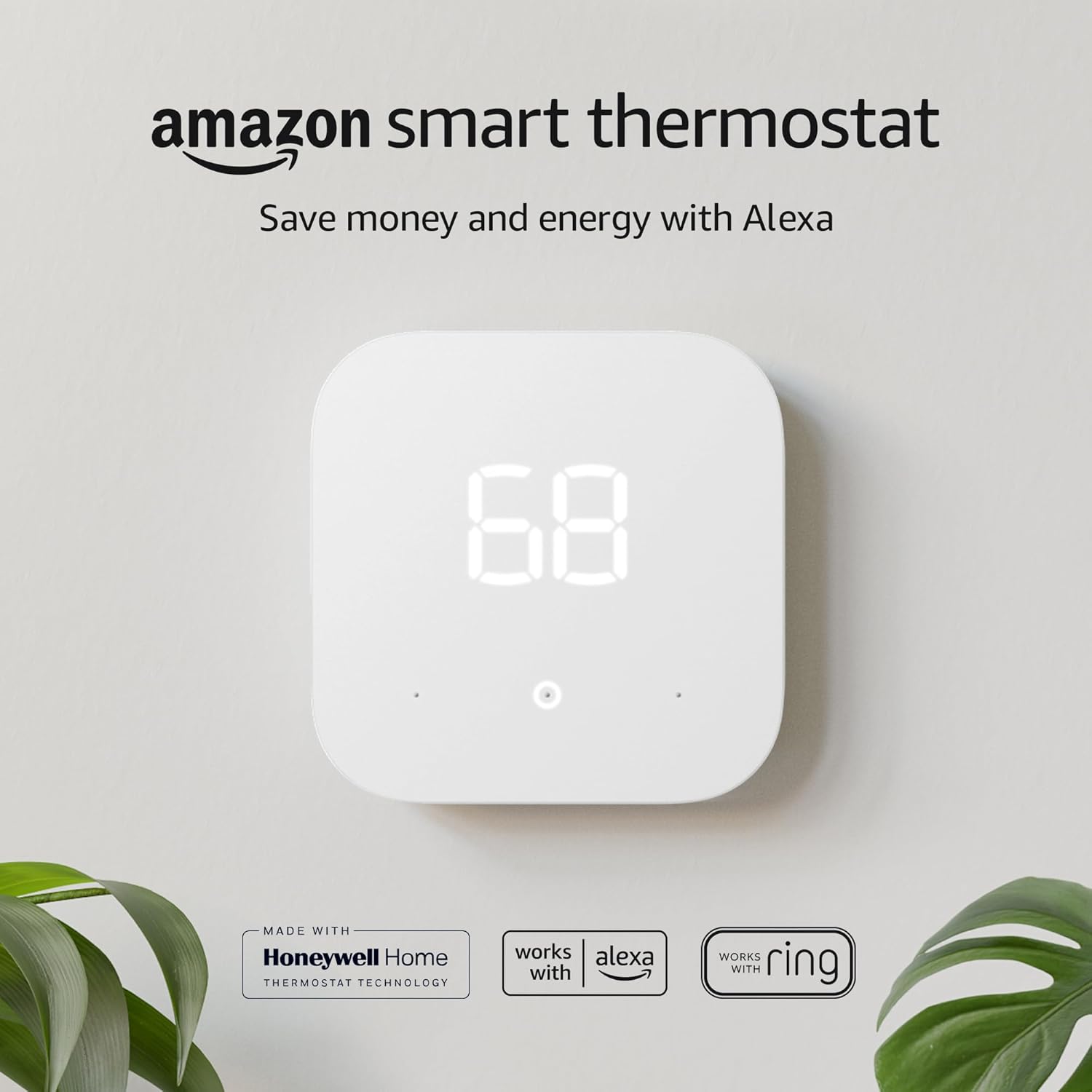
For a broader perspective on whether any smart device is a good investment, read our analysis on whether WiFi thermostats are worth it. If you’re specifically looking at energy savings, we’ve ranked the best smart thermostat for energy savings. Furthermore, understanding the difference between a smart vs programmable thermostat is crucial before making a final decision. For those in the US market, a Google Nest vs Amazon Smart Thermostat comparison might be more relevant. And if you’re troubleshooting existing equipment, you might need to know how to reset a thermostat.
Aesthetics and Home Decor
We often ignore aesthetics in value calculations, but a thermostat is permanently affixed to your wall. The original Hive (v1 and v2) looked quite technical. The current Hive Thermostat Mini is much sleeker, but still has a slightly plasticky finish. The Nest Learning Thermostat, with its metallic bezel and glass display, genuinely elevates a hallway’s look, making it a lifestyle upgrade with a higher perceived value. Tado’s minimalist white square box is designed to be “invisible.” Hive sits in the middle: it’s not ugly, but it’s not a design statement. If you care about how it blends in, read our guide on the best wall color behind your thermostat and thermostat cover ideas.
Specialty Applications
Hive is designed primarily for standard gas central heating. If your home uses more specialized systems, it might not be the “worth it” choice at all. Let’s quickly cover some outlier scenarios:
- Radiant Floor Heating: If you have electric radiant floors, a line-voltage thermostat is required. Hive is a low-voltage device and completely incompatible. You’d need something like the Mysa or Sinope, compared in our Mysa vs Sinope guide.
- Greenhouses: Climate control in a greenhouse is a different beast. You need a purpose-built unit, reviewed in our best greenhouse heaters with thermostat article.
- Heat Pumps: If you’re embracing the future with a heat pump, the thermostat choice is critical. A standard thermostat can short-cycle a heat pump, destroying its efficiency. Our best thermostats for Bosch heat pumps list is a vital resource, and Hive is rarely on it.
- Showers: This is completely unrelated to central heating, but for safety and comfort, a thermostatic shower is a different category of “worth it” entirely.
Renting, Moving House, and Resale Considerations
The “worth it” calculation changes considerably depending on how long you expect to stay in the property you’re installing Hive in, and this is one of the most overlooked variables in most reviews.
Renters
If you’re renting, installing Hive means wiring into the landlord’s boiler, which almost always requires written permission first. Some landlords are happy to have a tenant fund an upgrade to their heating controls; others are understandably cautious about unapproved electrical work on equipment they’re responsible for maintaining. If permission is refused or uncertain, it’s worth exploring lower-commitment alternatives before spending £179 on a kit you may not be able to take with you — our guide on battery-powered smart thermostats covers some options that avoid rewiring altogether.
Homeowners Planning to Move
The receiver and wiring are generally considered a fixture once installed, meaning most sellers leave the Hive receiver behind when they move, similar to leaving a boiler or radiators. The thermostat dial and Hub, however, are technically portable, since they’re not hardwired into the property in the same way. In practice, most people simply factory reset and take everything with them, then have a new receiver installed at the next property, since receivers are the cheaper component to replace. If you’re mid-way through the Hive Heating Plus subscription when you move, it’s worth checking whether it can be paused or transferred rather than cancelled and restarted, since restarting sometimes loses historical data.
Impact on Sale Value
A smart thermostat is a minor but real positive when marketing a property, particularly to younger buyers who expect app-based control as standard. It won’t move a sale price meaningfully on its own, but combined with other visible efficiency signals (loft insulation certificates, a recent boiler service history, double glazing), it contributes to a broader impression of a well-maintained, efficient home — which can shorten time on market even if it doesn’t directly inflate the asking price.
Who Should Buy It?
Hive IS worth it for:
- Homeowners with a conventional boiler (hot water tank).
- Busy families who need remote control but also a simple wall dial.
- People heavily invested in the Alexa/Amazon ecosystem (great integration).
- Those who want the reassurance of a British Gas-backed product and the option for professional service.
- Users who value a physical “Boost” button for temporary comfort over deep algorithmic learning.
- Homes where the heating schedule is consistent but occasionally needs remote overriding (e.g., unexpected late nights at the office).
- Landlords who want to provide smart features to tenants without giving them access to complex boiler settings. On that note, see our guide to landlord thermostat lockouts.
- Anyone looking for a cost-effective entry point via the Hive Mini, balancing smart features with budget constraints. If under £50 is your goal, check smart thermostats under £50.
Hive is NOT worth it for:
- Renters who cannot rewire the boiler (unless the landlord agrees).
- Studio apartment dwellers where simple manual control is sufficient.
- Data obsessives who refuse to pay a subscription for history graphs.
- Homes with multiple heating zones or smart radiator valve ambitions (Tado or Evohome is better).
- Users wanting a self-learning, AI-driven schedule (Nest is superior).
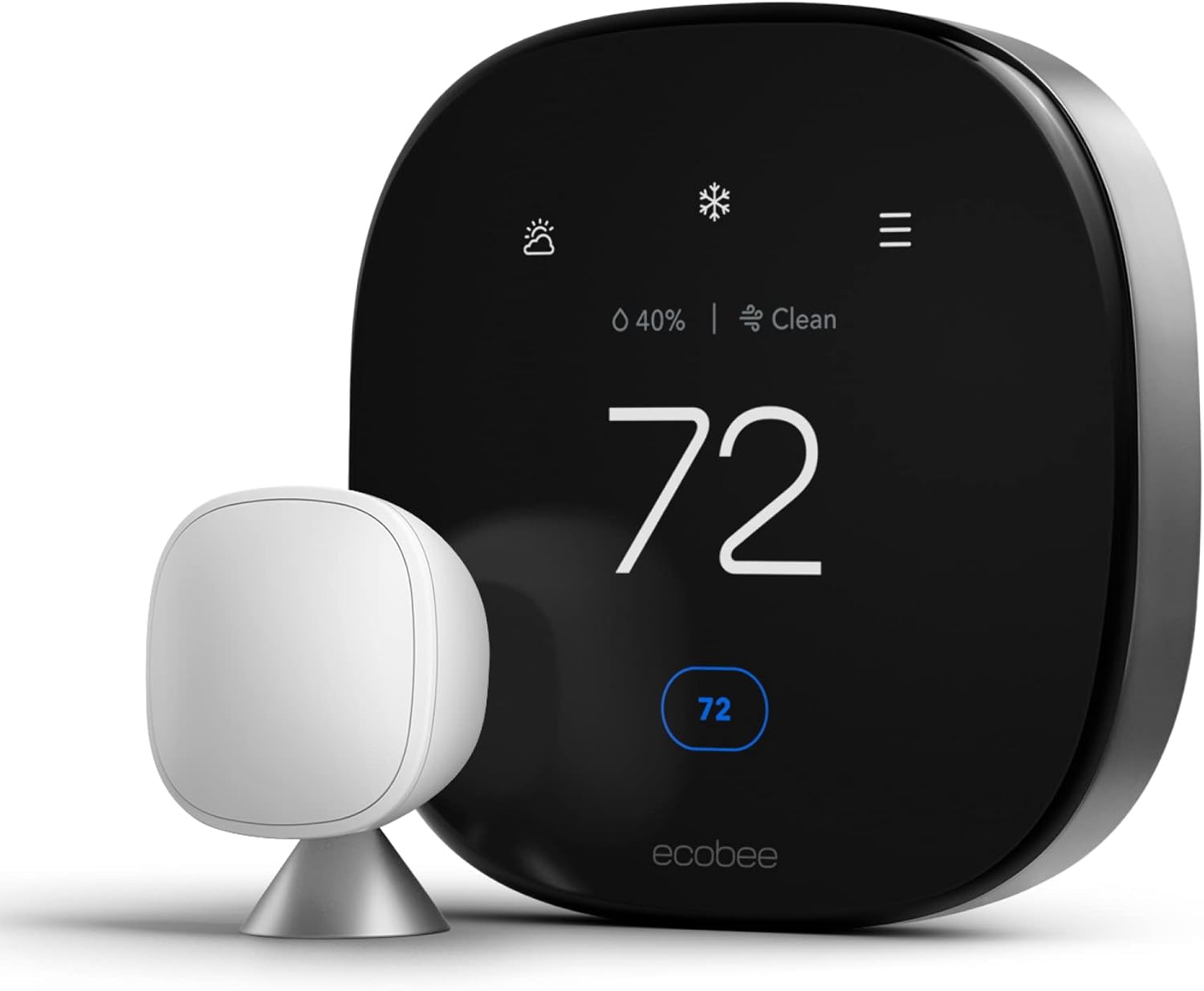
- People installing heat pumps or complex HVAC systems (ecobee or dedicated heat pump thermostats are required).
- Those wanting native Apple HomeKit support without a workaround like Homebridge.
- Anyone who wants to avoid another proprietary hub cluttering their router area.
Final Verdict
Yes, Hive Active Heating is worth it.
While the initial outlay is significant (~£179 + install), the combination of build quality, app reliability, and genuine energy-saving features makes it a solid financial investment for the medium-to-long term. It eliminates the “human error” of heating, which is where most money is wasted. It isn’t the flashiest or the cheapest, but it is the most reliable workhorse for UK homes. The “worth” of Hive lies in its simplicity. In a world of overly complex smart home protocols, Hive is a thermostat that your gran can use. That accessibility, combined with robust fail-safes and the ability to control domestic hot water, makes it a uniquely British solution to a British problem. If you want a device that will quietly save you money without requiring a computer science degree to configure, Hive is your answer. For a more detailed feature walkthrough, always refer back to the core Hive Active Heating V3 guide.
To further your research, consider the fundamentals: what is a thermostat? and how do thermostats work?. Understanding these basics will help you appreciate what Hive brings to the table. If you need to adjust a Honeywell model in another room, you can find a Honeywell reset guide or battery replacement guide.
For those troubleshooting issues with other brands, we cover whether a bad thermostat can cause AC not to cool or can a bad thermostat cause your heater not to work. If your display is fading, it might be a thermostat low battery fading display relay click failure. We also have a guide on how to read a thermostat and a detailed thermostat not reaching set temperature diagnostic flowchart. If it’s clicking, see why is my thermostat clicking but not turning on?.
Even with a Hive, you should know what temperature to set your thermostat when on vacation in winter. For broader savings, explore our HVAC energy efficiency tips. If you’re considering an upgrade, we ask how do I know if I need a new thermostat? and compare ecobee vs honeywell remote sensor range.
Other relevant resources for the curious mind: understand what is a thermostat remote sensor?, what is thermostat adaptive learning?, and what is inverter technology in HVAC?. We even answer niche queries like food thermos vs lunch box. Finally, check our US-focused rebate guide: 2026 smart thermostat rebates.
Frequently Asked Questions
Based on estimated savings of £110/year and a self-install price of roughly £150-£180, it typically pays for itself in 1.5 to 2 years. If energy prices rise, it pays for itself sooner.
No. Hive works with any energy supplier. You do not need to be a British Gas customer to buy, install, or use Hive.
While it won’t add thousands, smart heating is an attractive selling point for buyers. It signals a modern, energy-efficient home. However, you often have to leave the receiver behind when you move.
Absolutely not. The subscription (Hive Heating Plus) is purely optional. All core features like remote control, scheduling, and boost work perfectly without paying a penny monthly.
Yes, Hive works with combi boilers, but you should buy the Heating Only kit rather than Heating & Hot Water, since a combi produces hot water on demand and has no cylinder to schedule separately.
The standard Hive kit is built for gas or oil wet central heating. It’s not compatible with electric storage heaters or electric underfloor heating mats, both of which need a dedicated line-voltage control instead.
Yes. Hive runs its last synced schedule locally over Zigbee even without an internet connection. You lose remote app control until connectivity returns, but the heating itself keeps running on schedule.
Not natively. Hive doesn’t offer official Apple HomeKit certification, so Siri control requires a third-party bridge such as Homebridge. Alexa and Google Assistant integration, by contrast, is direct and straightforward.
It depends on your home. Multizone’s smart radiator valves earn their higher cost in larger homes with rooms used at different times of day. In a small, evenly occupied flat, the standard single-zone kit usually captures most of the available savings already.




 Home
Home
 Info
Info
 Compare
 Reviews
 Shop
Shop